The first version moves from three days to two hours
The generator writes the pages, the navigation, the forms, and the tags. You no longer build the first HTML by hand. You read it. You cut it. You deliver it.

Forty public projects you can open, fork and reshape with a few sentences.
Browse templatesSeparate client workspaces, white label, and the Git repo handed over at the end of the engagement.
See the programmePaste a URL. In thirty seconds you see exactly what Google receives before any JavaScript runs.
Check a URLA studio of two to twenty people can paste the brief it already took, get a first draft in two to five minutes, then hand the client a Git repository. Workspaces stay separate. White label hides Eqlo. Plus is $19, Team is $49 with ten seats.
This page is for people hired to ship a site or a prototype for someone else. An agency of two to twenty people. A design studio that still writes HTML. A freelancer who subcontracts production. An internal cell that must show a clickable object before Friday.
It is not for the tradesperson who wants their own business online. That person has the solutions pages. It is not for a product team building an internal tool. That team has the work hub.
If your offer is slide decks and a vendor nobody meets, Eqlo will not turn you into a production studio. If your offer says the client will click something on Thursday and own the files on Friday, this is the tool.
This is a worked example, not a named client. A three-person studio in Leeds takes a brief from a plumber. On Monday they paste the text, an existing URL, and three screenshots. Eqlo proposes a tree. The team cuts pages that were never in scope.
The first draft lands in two to five minutes. The rest of the day is for correcting words, dropping in the colors and type already chosen, and sending a preview link. The client comments on a heading pinned to the page, not on a Word file.
The hours you no longer spend on scaffolding move to advice, photos, and copy. A publishable brochure site then takes one to two hours of back and forth. A store takes half a day. A product prototype takes longer, and you should say so in the statement of work.
The generator writes the pages, the navigation, the forms, and the tags. You no longer build the first HTML by hand. You read it. You cut it. You deliver it.
Each project has a preview URL. Comments pin to an element. Reader, editor, and admin roles stop a stakeholder from publishing by accident.
The quote can keep the same number and change what it pays for. Fewer hours of assembly, more hours of words, photos, and choices. The client still pays for your taste, not a rented theme.
A studio does not mix two clients' files. Eqlo does not either. Each client has a workspace, members, an invoice, and a project. Invites go out by email.
You invite the contact, an outside designer, a developer. They see this workspace, not the others. The activity log keeps who changed what.
A reader comments. An editor changes pages. An admin manages the domain, the region, the seats, and the bill. A commenter is not an editor.
Plus is $19 a month, three seats. Team is $49 a month, ten seats. You can bill the subscription to the client, or keep it and transfer it at handover. Free stays at one seat and five projects, with no card.
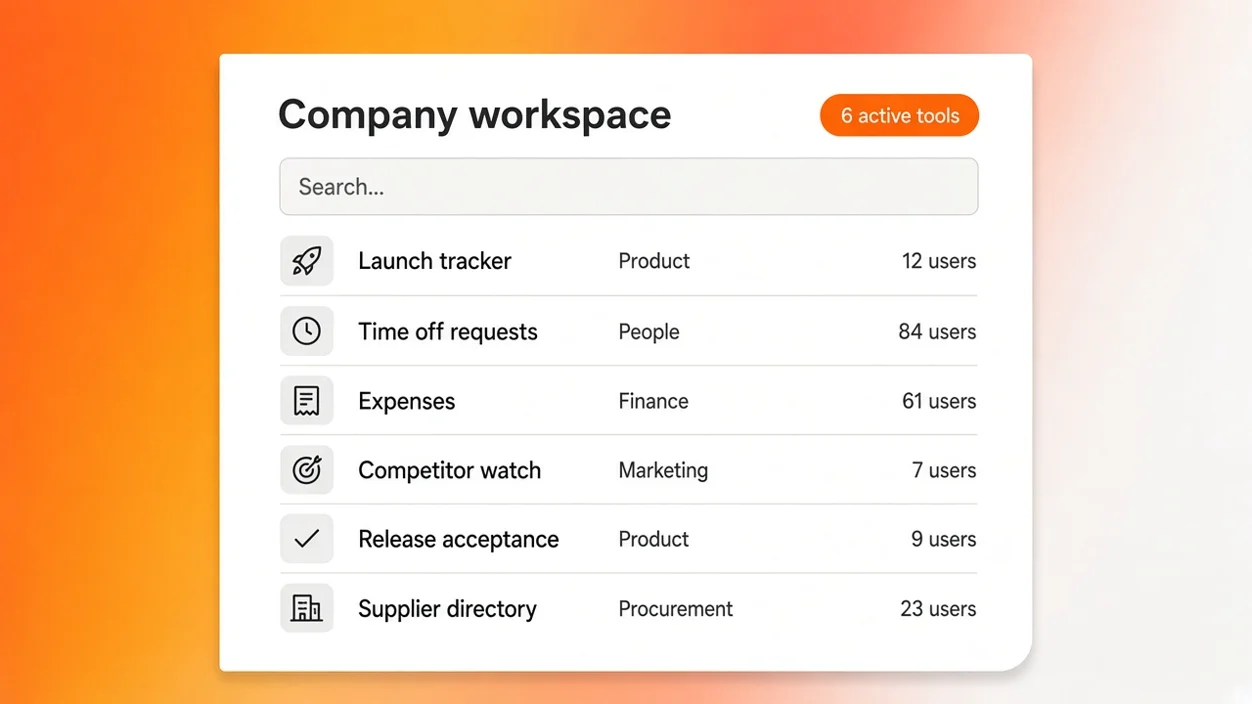
On Team, the preview can carry your name instead of ours. The client opens a studio link, not an Eqlo page. Comments, versions, and chat stay inside that workspace.
White label does not hide the code. The repository handed over at the end holds React and TypeScript files, not a locked format. If the client stays on Eqlo hosting, they take the subscription. If they leave, they take the repository.
The projet.eqlo.app subdomain exists at once. The client's domain is verified next, with an SSL certificate. You do not ask them to wait for a manual production push to see the pages.
The lock-in test is simple. At the end, the client has a repository another developer can open. If that sentence bothers you, this is not your product.
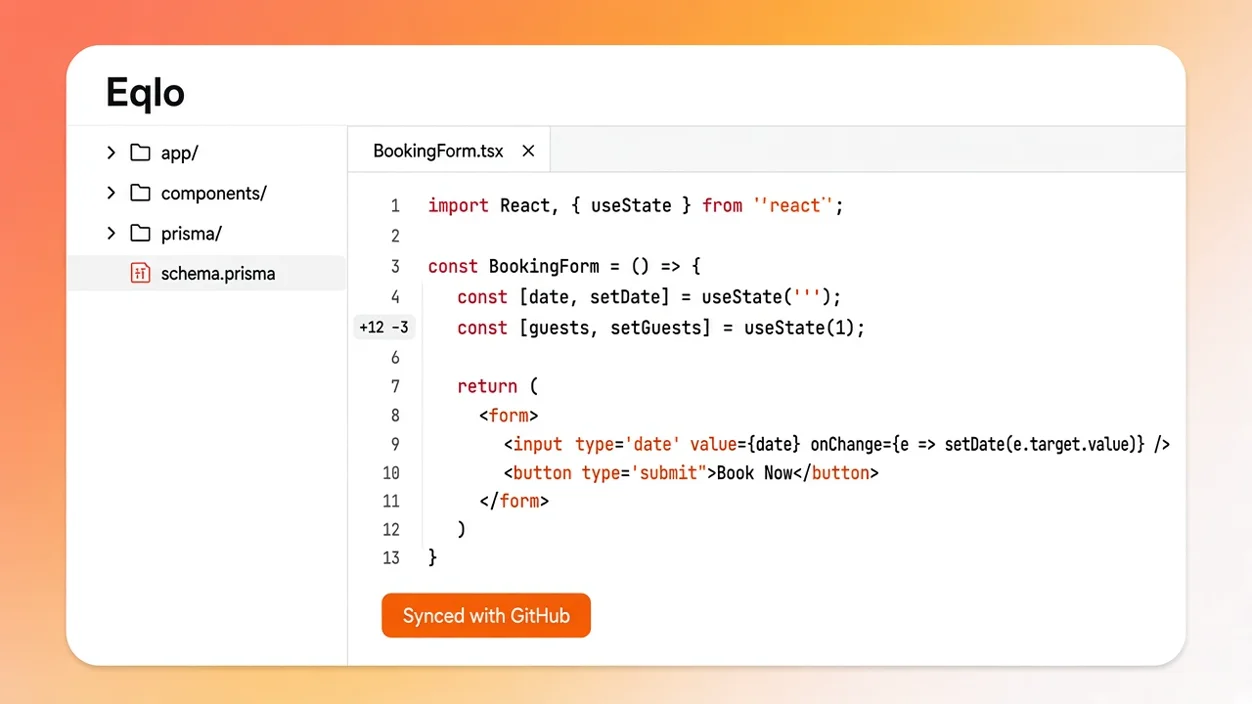
From Plus, GitHub sync is automatic, in both directions. You transfer the repository, or you grant access. Branches and pull requests stay ordinary Git objects.
Web in React, TypeScript, and Tailwind. Mobile in React Native. The npx eqlo CLI for pull, push, migrations, and deploy. A developer who has never opened Eqlo can read the files.
You can keep hosting and bill for it, or transfer the project and the subscription to the client. A full export stays available at any time. We do not hold files for an exit fee.
We run a program for studios that ship often. Terms and any commission are discussed by email. They are not a percentage invented on this page.
Write to hello@eqlo.app with the studio name, the headcount, and the kind of work. We reply on the same timeline as the contact page.
The developer detail, the prototype, the plans, and enterprise take over from here.
You can keep the subscription and pass it through, or transfer the workspace at handover. Plus is $19, Team is $49. The Stripe invoice lands on that workspace.
The client, once the repository is transferred. React, TypeScript, and Tailwind are ordinary files. Eqlo hosting is a service, not ownership of the code.
The preview link, the GitHub repository, the export if needed, and the access. A brochure site often fit the week. A product prototype takes longer. Say so in the statement of work.
Team includes ten seats. Beyond that, write to hello@eqlo.app. The enterprise page covers SSO and a purchase order. We do not invent a tier here.
No catalogue session on this page. Describe the need at hello@eqlo.app. Until then, the developer and prototype pages are enough for a first job.
Five projects, one seat, no card. Team is $49 when ten people and white label are the real need.